



Bedrock
Your Ticket to the AI Era
ELN powers digital transformation in the lab—turning experimental data into the foundation for big data, automation, and AI
 Electronic Lab Notebook
ELN powers digital transformation in the lab—turning experimental data into the foundation for big data, automation, and AI

Strengthen management, elevate data quality, and accelerate enterprise data accumulation—building the foundation for AI-driven R&D

Paper lab notebooks are plagued by illegible handwriting, reliance on memory-based recording, and difficult review processes—making it nearly impossible to reuse valuable expertise

Generate reports, patents, papers, and CTD documents automatically. Design and optimize experiments with AI—empower a Super AI Scientist to help 50 achieve what 100 can
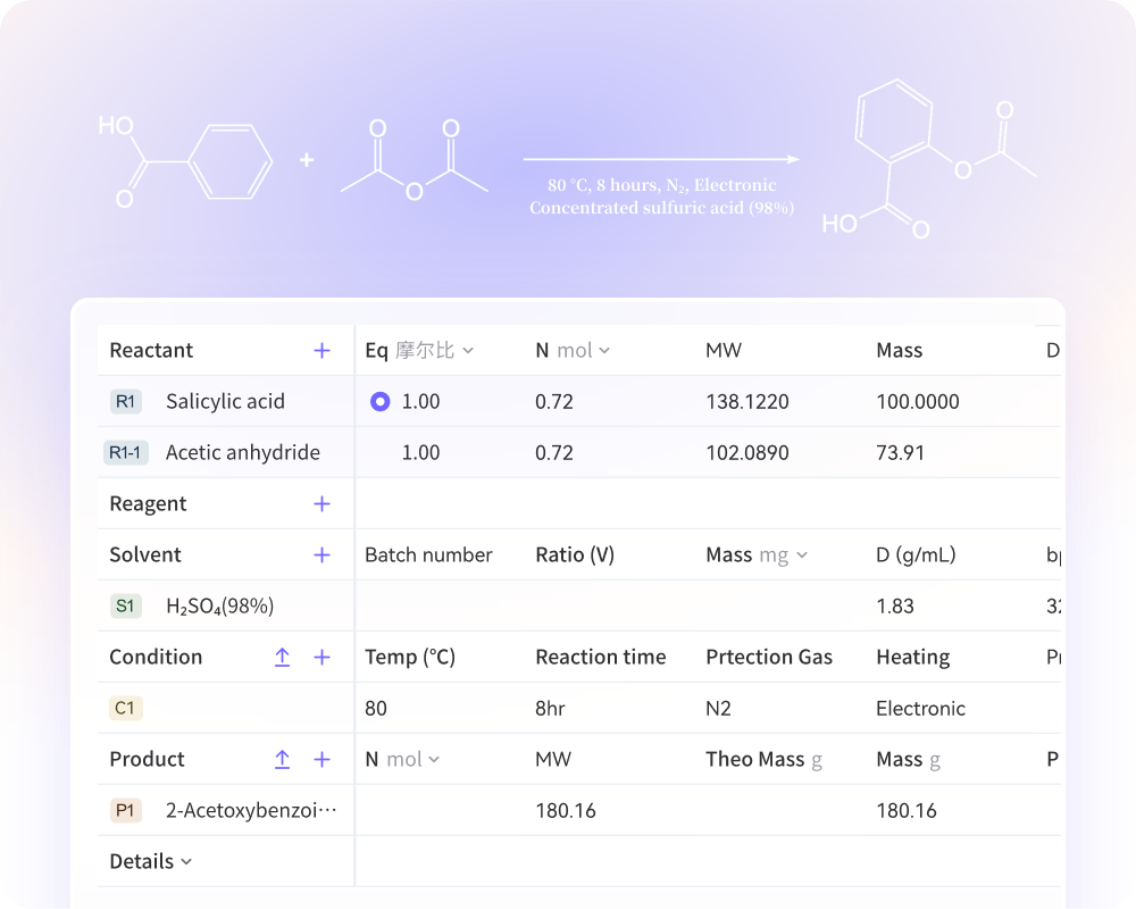
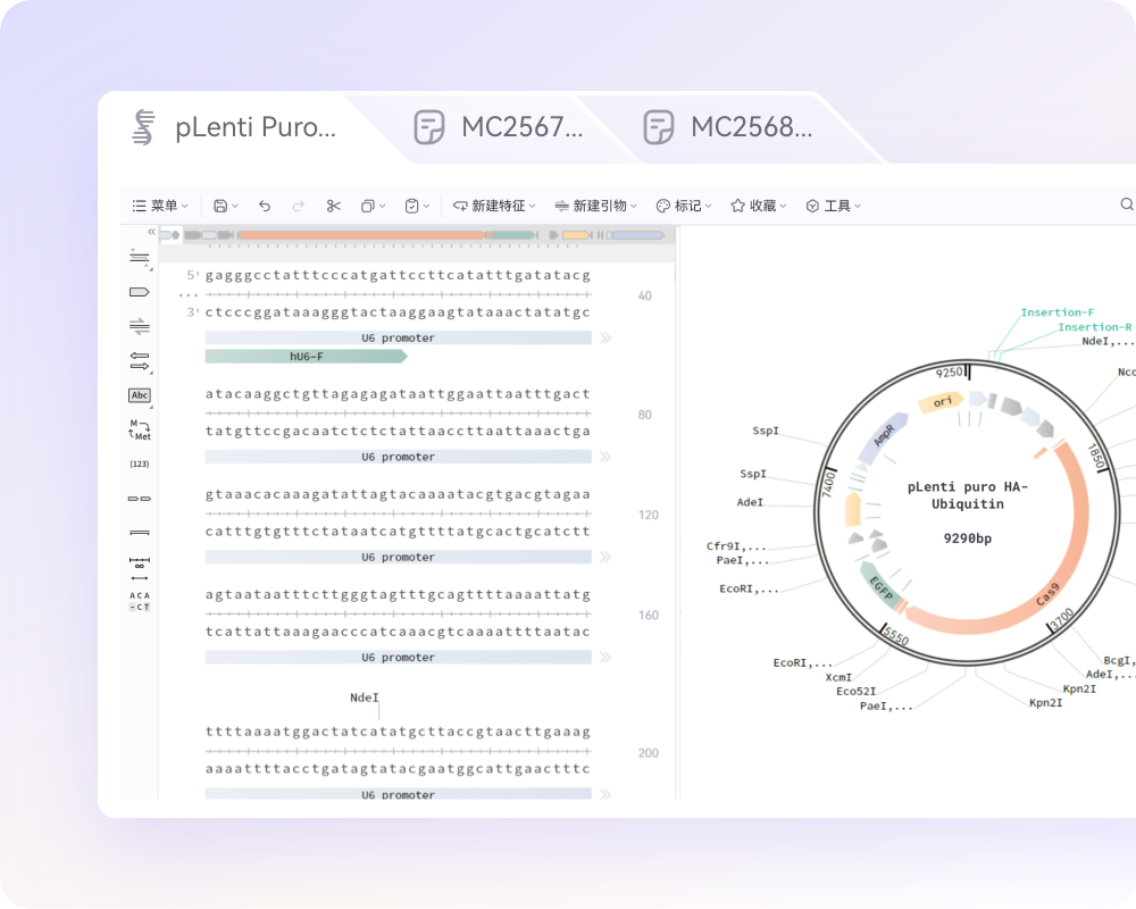
 Supports both chemistry and biology lab capabilities—combining the power of ChemDraw and SnapGene in one platform
Designed and developed by scientists, with a deep understanding of first principles in scientific research
Built with self-developed text editors, spreadsheets, multi-dimensional tables, and other essential components—enabling fast troubleshooting and customization
Granular permissions—configurable at both role and individual user levels
Regular feature updates with responsive technical support
Supports both on-premise and SaaS cloud deployment—with data migration available for both
A no-code platform that meets the experimental recording needs of diverse fields, including small molecule, biologics, cell and gene therapy, synthetic biology, chemical engineering, medical devices, new materials, cosmetics, and more
Supports continuous upgrades—systems deployed a decade ago can be seamlessly upgraded to the latest version overnight without any data loss
Supports both chemistry and biology lab capabilities—combining the power of ChemDraw and SnapGene in one platform
Designed and developed by scientists, with a deep understanding of first principles in scientific research
Built with self-developed text editors, spreadsheets, multi-dimensional tables, and other essential components—enabling fast troubleshooting and customization
Granular permissions—configurable at both role and individual user levels
Regular feature updates with responsive technical support
Supports both on-premise and SaaS cloud deployment—with data migration available for both
A no-code platform that meets the experimental recording needs of diverse fields, including small molecule, biologics, cell and gene therapy, synthetic biology, chemical engineering, medical devices, new materials, cosmetics, and more
Supports continuous upgrades—systems deployed a decade ago can be seamlessly upgraded to the latest version overnight without any data loss
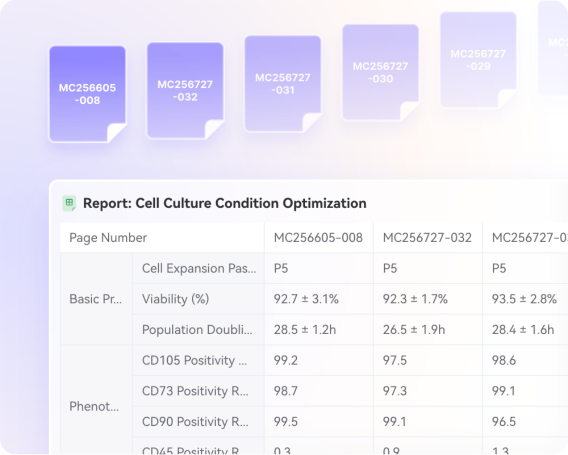
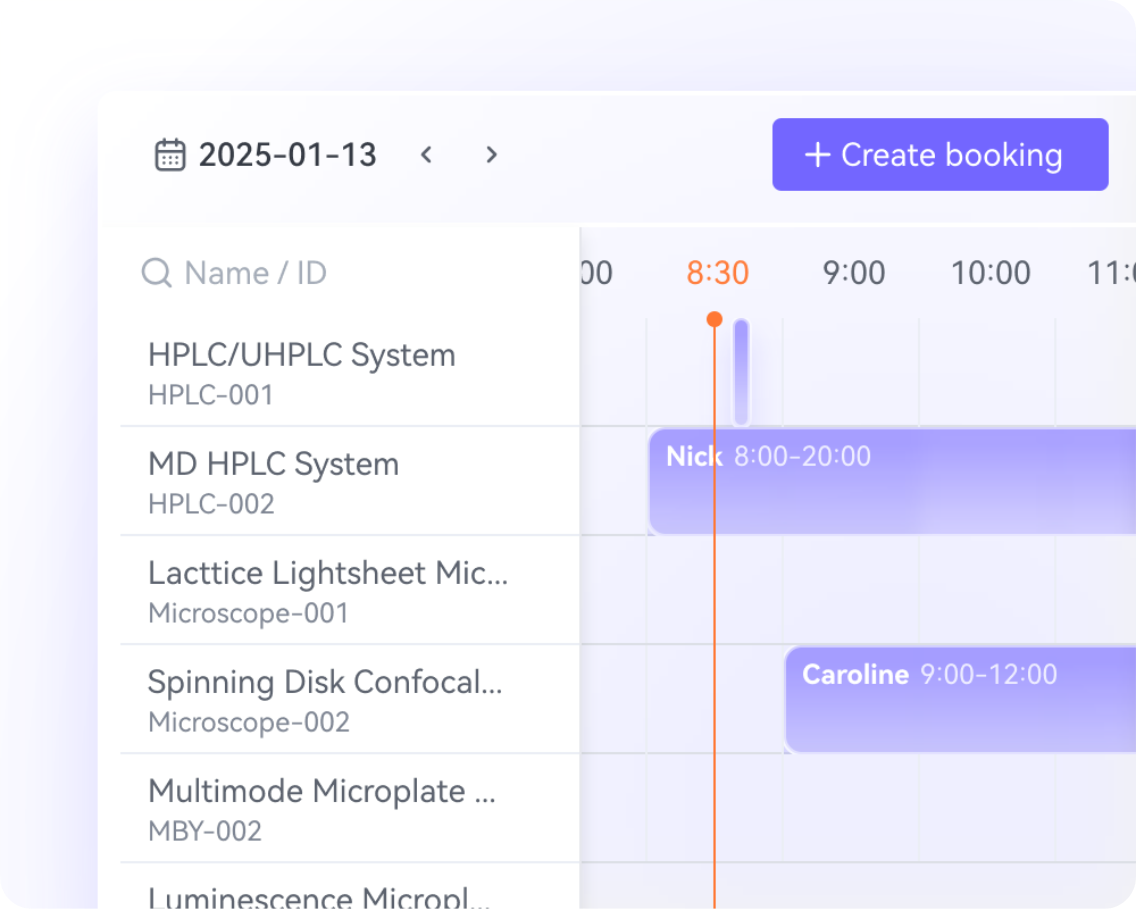
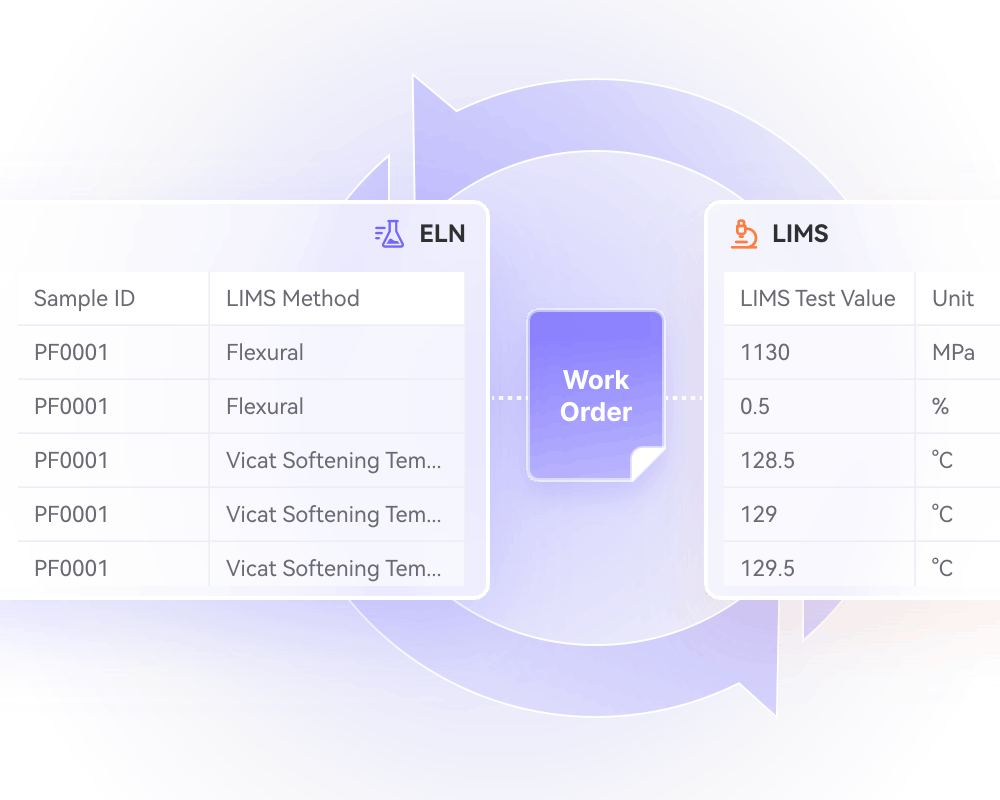
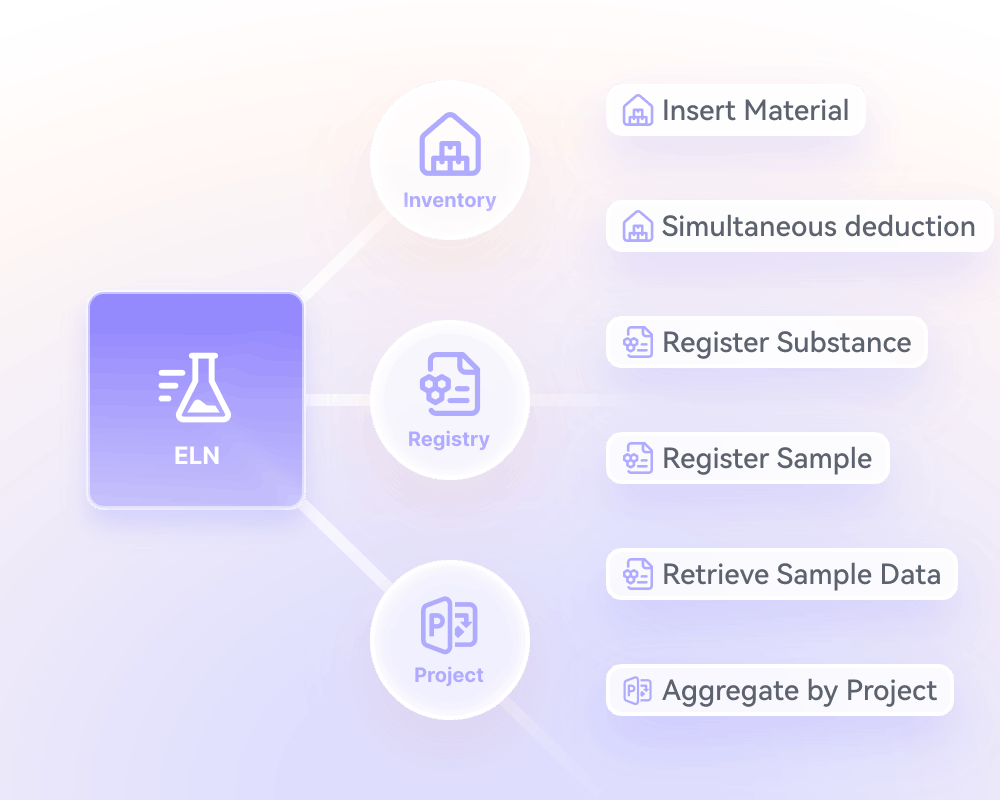
Loved by more than 1 million chemistry and biology scientists from enterprises, universities and research institutions.






















































By scientists, for scientists: Designed and shaped by scientists who work directly with customers, we truly understand the needs of researchers in the lab. With over 13 years of dedicated focus on digital and AI solutions for R&D, we help scientists unlock internal and external data—empowering customers to build their own Super AI Scientist.
Global digital & AI consulting expertise: Serving 700+ customers worldwide (including China, the US, Korea, Singapore, France, Germany, Japan, and more) and supporting 100+ publicly listed companies through their digital and AI transformation journeys, we have accumulated extensive best practices from leading global innovators—helping enterprises achieve internationally competitive digital and AI capabilities.

Mastering core chemistry technologies: Powered by our self-developed InDraw Office, integrating world-leading AI-powered chemical structure image recognition.
Mastering core biology technologies: Powered by InSequence, our self-developed biological sequence editor, supporting antibody design, gene editing, and protein analysis.
AI that works for scientists: Researchers can use AI to instantly generate professional drafts—weekly and monthly reports, experiment reports, patents, papers, CTD submission documents, and more. With our Bayesian optimization agent, formulation design becomes effortless—no learning curve required.

Fully customizable experiment templates: Supporting text, tables, images, files, chemical structures, biological sequences, comments, and more—our templates adapt to any type of experiment, whether in chemistry or biology. Eliminate repetitive recording and standardize experiment formats quickly.
Zero-code, modular platform: Build like building blocks. Configure workflows and leverage API services to meet personalized needs—all without coding. Ideal for a wide range of R&D fields, including biopharma, chemical engineering, synthetic biology, new materials, new energy, cosmetics, food, medical devices/IVD, agriculture, and more.
Scalable & easy to use: Supports both small labs and enterprise‑level organizations. So intuitive that even beginners can use it with ease.
All modules—including InDraw, InSequence, InText, InTable, and InForm—are developed entirely in‑house, giving us full control over our services. By eliminating reliance on third‑party software, we can quickly fix bugs and deliver upgrades without constraints. We never use pirated plugins, avoiding intellectual property risks entirely. This enables continuous iteration and optimization, ensuring faster, more responsive support.

Achieving ISO27001 international certification, the platform is built on a secure Linux architecture with HTTPS protocols, robust encryption algorithms, local encryption tools, and strictly configured firewalls. It enforces granular permission management, IP access restrictions, and MFA (multi-factor authentication) to ensure every access event is fully traceable. A globally unique “6-second auto-save with modification traceability” feature captures every change, while flexible deployment options—both on-premise and secure SaaS cloud services—are supported. Comprehensive real-time system security monitoring, logging, and multi-layered backup strategies together ensure business continuity, data security, and full recoverability.
| Comparison Dimension | Core Positioning | Electronic Lab Notebook (ELN) | Laboratory Information Management System (LIMS) |
|---|---|---|---|
| Comparison Dimension | Core Positioning | R&D Innovation Platform: Focuses on non-standardized scientific research processes. |
Production Quality Inspection Platform: Focuses on standardized sample testing and quality control processes. |
| Main Users | R&D scientists, process development personnel (chemists, biologists, etc.). | Quality Control (QC) | analysts, sample managers. |
| Management Objects | Experimental processes, ideas, observations, trial-and-error data (such as reaction condition exploration, formula research), innovation data. | Laboratory Informatics | Test samples, standard methods, compliance reports. |
| Process Characteristics | Flexible, variable, exploratory, processes are customized by scientists, supporting trial and error and adjustments. | Fixed, standardized, highly repetitive, procedures to ensure result consistency. | Test samples, standard methods, compliance reports. |
| Data Characteristics | Unstructured or semi-structured data (rich in text, chemicals, reactions, reaction formulas, sequence diagrams, experimental operations, etc.). | Fixed, standardized, highly structured data (sample numbers, test items, instrument readings, pass/fail results). | Highly structured data (sample items, instrument readings, pass/fail results). |
| Core Objectives | Improve R&D efficiency, accelerate knowledge precipitation, promote team collaboration and innovation, ensure data compliance, and protect intellectual property. | Ensure result consistency and data integrity through standardized processes. | Increase testing throughput, ensure data compliance (e.g., GMP/GLP), control and achieve full lifecycle traceability of samples. |
| ELN Efficiency Enhancement Capabilities | Core Problems Solved | Efficiency Improvement |
|---|---|---|
| Put an end to inefficient records and enable second-level data search | Handwritten records are illegible, scattered, and hard to find like 'searching for a needle in a haystack' | Through full-text search and unique chemical structure and biological sequence search, any historical experiment and data synchronization |
| Break down collaboration silos and enable real-time team synchronization | Team collaboration relies on emails, version confusion, and remote management difficulties | Using InDraw compatible with ChemDraw to draw formulas with image recognition, and data can be located in seconds. The template function allows one-click reuse of calculation methods, eliminating repetitive work |
| Online drawing of chemical structures and reaction formulas, calculation of molecular weight, chemical naming, and material proportioning | Hand-drawn structures, manual calculation of molecular weight and naming inability to name chemicals, and time-consuming processes | Supports real-time multi-person collaboration, third-party reaction calculations with a 10-fold efficiency improvement |
| Visual design of DNA/RNA/protein biological sequences | Handwritten description of biological sequences is error-prone and time-consuming | Automatically collect instrument data such as balance and HPLC, directly filling into records based on protocols, sequence alignment, BLAST, consensus, and enzyme groups and inventory (IVMS), saving time and effort |
| Automate tedious operations to connect instruments with humans | Manual transcription of instrument data, error-prone manual liquid preparation calculations, and process break paint | By connecting to the InAI scientific research model, you can directly ask questions, gain insights, automatic collaborate work, weekly report and patent drafts, and even optimize experimental conditions |
| Introduce AI to drive innovation with data | Data is dormant, report writing is time-difficult to precipitate and optimize | Dialogue, directly transforming data in decision-making and innovation |
| Your Usage Scenario & Compliance Objective | Is CSV/3Q Validation Required? | Rationale & Explanation |
|---|---|---|
| In the R&D phase, with the goal of Innovation and discovery | Not mandatory, 3Q recommended | The core objective at this stage is rapid innovation, improving R&D efficiency and collaboration. Some data may be used for patent applications or drug submissions; a simplified 3Q validation is recommended. |
| Data to be submitted to authorities such as the FDA/NMPA/Patent Office (e.g., IND, NDA, patents) | Mandatory, 3Q recommended | The FDA, NMPA, and other authorities will review the ELN system for authenticity, accuracy, completeness, and traceability. |
| In a GLP toxicology study, GMP, or GCP environment | Strictly mandatory, 3Q or CSV recommended | This is a regulatory requirement. Software systems under the GxP framework must undergo 3Q or CSV validation to demonstrate the authenticity, accuracy, completeness, and traceability of their data. |

